
Seeing the Signs
TAoN No. 212: "Makeshift" signs as heroic (and hilarious and human) design. Plus a new icebreaker, and more


Friend of TAoN Kate Canales — a designer and educator who says her “design super power” is “noticing” — recently published a very charming and smart TED talk about “makeshift signs.”
That is, the familiar handwritten or similarly informal signs that annotate the physical world with useful, even necessary, information and guidance. These are “everyday instructions,” signs that “help us think,” Kate maintains. They are, she further contends, “examples of ingenious human problem-solving.”
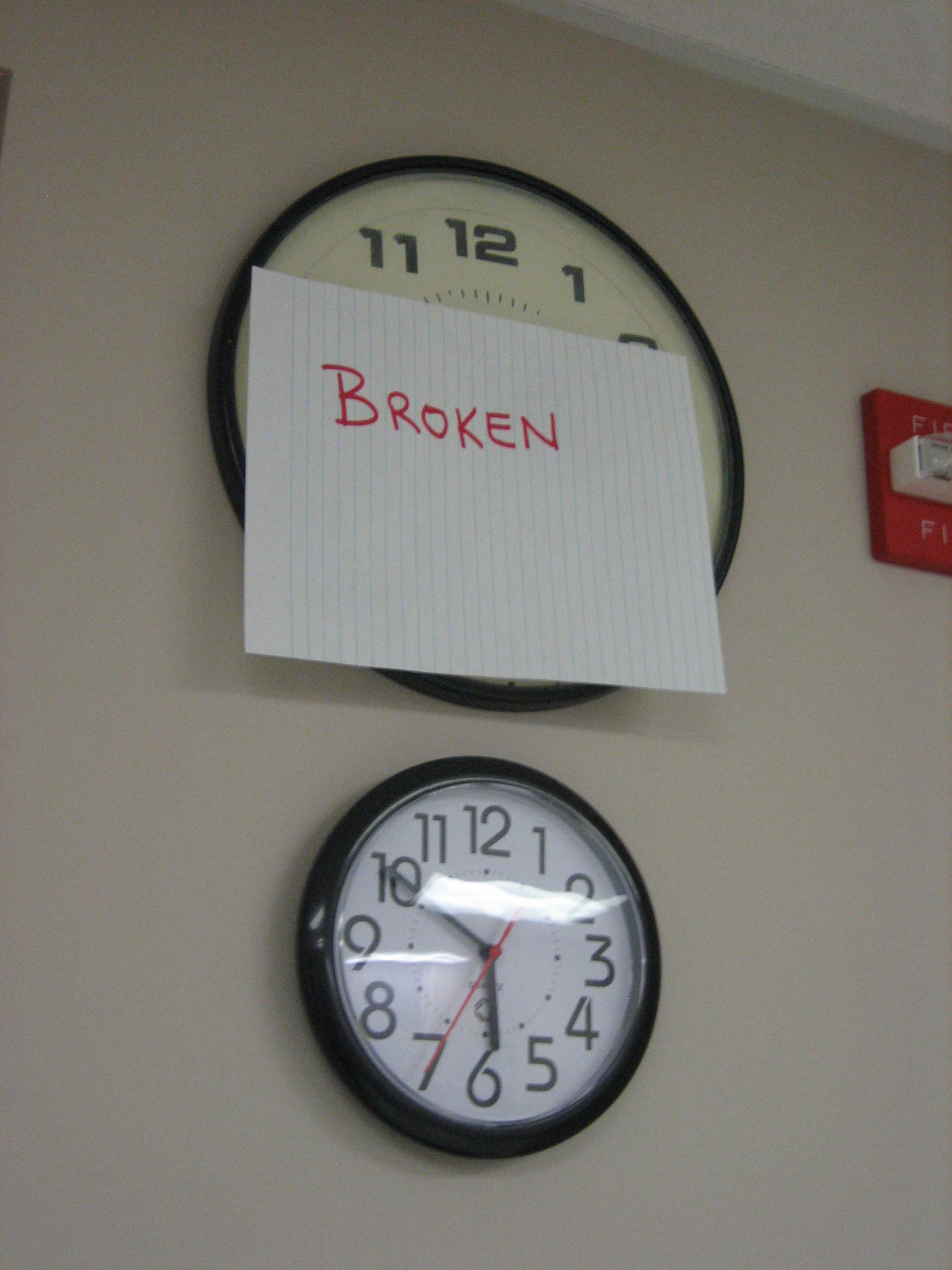
Kate’s been noticing, and photographing, such signs for a couple of decades. As she says in the talk:
These signs are evidence that we still need each other, out here in the real world, to do some very basic things. The person who came before us took the time to leave some instructions, to make sure that our experience is a little bit better than theirs. And that is a sign of humanity that I am always happy to stumble upon.
Check out her eight-minute talk for many (frequently funny) examples — definitely worth it! But also . . .
. . . I so enjoyed this subject that I convinced Kate to let me quiz her about her project. My main question had to do with her addressing these signs from a design perspective.
Q: You essentially celebrate makeshift signs as successful (vernacular) design — but aren’t they evidence of failed (professional) design and engineering?
A: In many cases they are both! At the beginning of my design career I was a faithful believer in the Don Norman (of Norman Door fame) creed: “If it needs a sign it is a design failure.” In my sign collection, I have plenty of examples involving designers who stopped well short of a high standard.
At left below is one that made a couple of rounds on the internet recently. (I didn’t take this picture.) Indeed, it appears the industrial design cycle at Bose should have lasted longer here, ending in something less trashcan-like. But given that this is what the speaker looks like, the sign is helpful. I refer to this as “design after the fact,” and I think it counts as design because it finishes what the professional designers should have. If professional designers get credit for other speakers that people don’t throw trash in, then vernacular designers should get credit for this one.


In other cases — like the sign above right — the formal design failure is likely one of testing. The underlying problem here was likely avoidable with a little more prototyping.
And yet, after the fact, the sign makes the difference between a revolving door and a wall, so it still counts as good design in my book, even if the original revolving door designers made a hash of it.
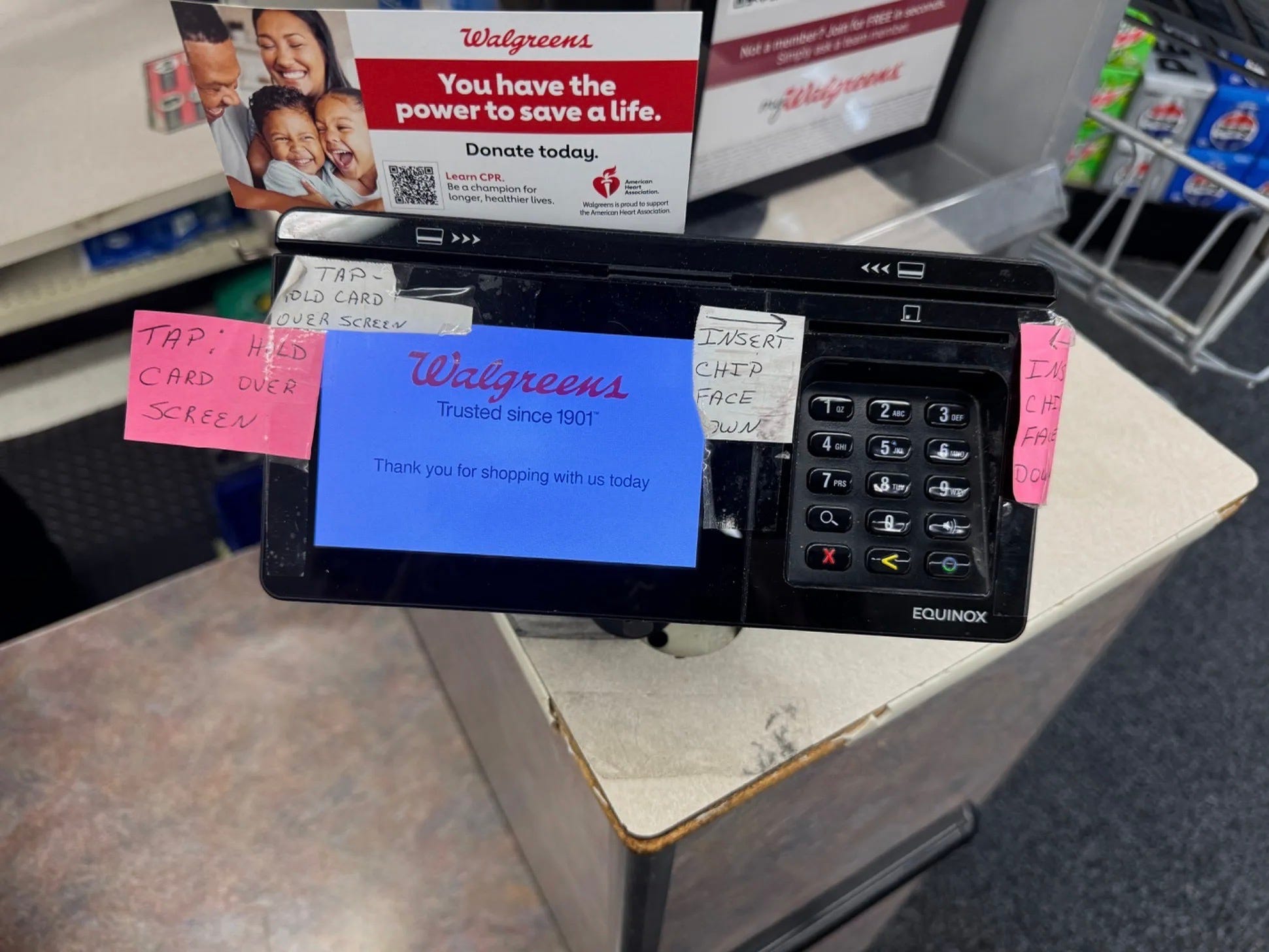
I’ve done enough trips around the design block to have empathy for the designers or engineers who ultimately inspired many of the signs in my collection. There are often systemic or budgetary or technological limitations that make it beyond reasonable to get the design right. The preponderance of signs on point-of-sale machines, like the one below for example, is most likely explained by some kind of back-end tech constraint, surely. I don’t know what it is, but this can’t be 100% bad design. Maybe one of your readers can explain it?
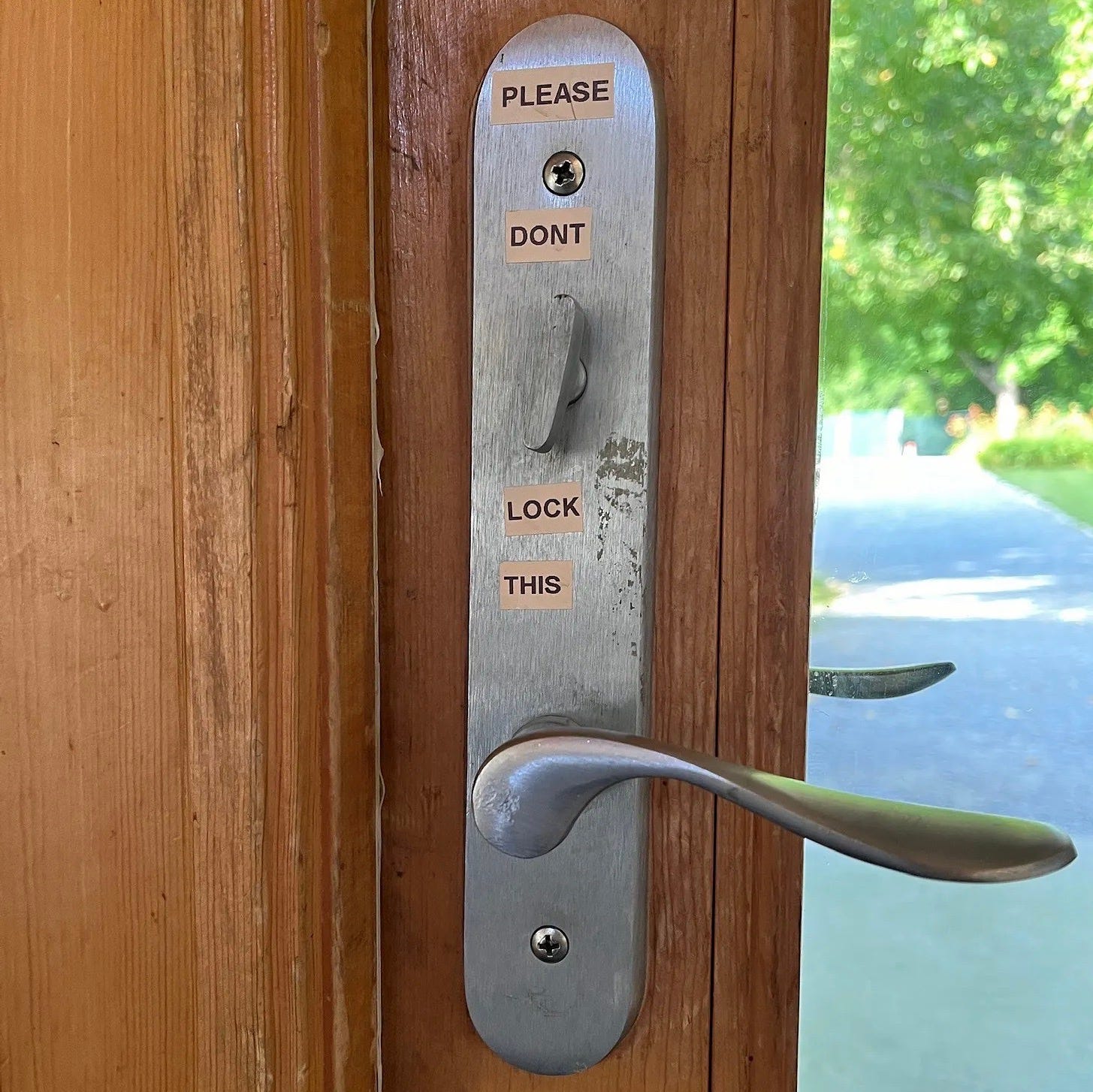
Let’s also agree that professional designers are not mind-readers. In many cases, the signs are helping to situate a formal design in a setting that it was not intended for. See below: No designer of a door lock should be expected to accommodate a scenario where the door is not meant to be locked. This one is not on the designer.
The short of it is, regardless of how we got to the point of needing the sign, the sign makers are designers because they are trying to make the experience more functional, which is a decent definition of design to begin with.
Q: You have convinced me! Now, can you suggest a makeshift-sign prompt to TAoN readers beyond looking out for them (which we are now all inevitably going to do now that you’ve brought this to our attention)?
A: I recommend reframing what happens in your imagination when you encounter these signs. I often go into pretty elaborate imaginings about the person who makes one. Were they in a hurry? Did they have the Sharpie on hand? Is this the first or the tenth iteration of the sign? In cases where the sign is more permanent/produced, I wonder whether there was a meeting to decide about the details (and whether that meeting lasted long enough).
As I say in the talk, I also really love to visualize what was happening before the sign existed — people queued up in the wrong place, someone walking confidently into a glass door, customers throwing their trash into what turns out to be a speaker, etc. Do that, and it’s very easy to call forth some gratitude for these sign-making problem-solvers! So maybe the prompt is simply to say: “Hey, thanks” when you see a sign that helps you on your way.
I love it! Thank you Kate Canales!
SUPPORT TAoN
If you enjoy TAoN, please become a paid supporter. You’ll get access to the full archives as well as supporter-only bonus posts and discussion threads. Your support makes this newsletter possible. Thank you!
THE NEXT FREE EDITION IN TWO WEEKS!
Noticing is about other people, too. The Icebreaker series aims to help with that. There’s a central collection spot for all the icebreakers to date, here.
Today’s icebreaker is adapted partly from remarks during a recent episode of Choose To Be Curious about the Come Together Music Project, which “uses music to deepen existing relationships, create new ones, and build bridges across socio-economic, ideological, and generational divides.” And it was influenced by some recent discussion on NPR’s All Songs Considered about generational music.
What’s a song that reminds you of your youth?
See also Come Together’s guide to using music to find common ground.
Please send your favorite icebreaker (whether you made it up or found it elsewhere) to consumed@robwalker.net.
IN OTHER NEWS
Very excited to learn that the great Carrie McLaren has a new zine on the way: Ape Sh*t Issue #1: The Bizarre History of the Service Monkey. I have ordered!
Nice article about the excellent Anthony Del Rosario and his noble work to preserve and honor hand-painted signage in New Orleans. (Thx Amy!)
Another good episode of Code Switch: “Why being Black and outdoorsy is a whole thing.”
The Semiovox Color Codex series is back!
Craft as activism (includes craftivism pioneer Betsy Greer), in The Persistent, which is worthy of attention.
Marc Weidenbaum explains where his Disquiet Junto prompts come from.
Barf bag design.
There’s this obscure singer from the past that I’ve become interested in lately . . .
OKAY THAT’S IT!
As always, I value your feedback (suggestions, critiques, positive reinforcement, constructive insults directed at me, not at anyone else, etc.), as well as your tips or stories or personal noticing rituals, things we need a word for, and of course your icebreakers: consumed@robwalker.net. Or use the comments.
—> Or just click the heart symbol. That always makes my day.
And thanks for reading …
rw
All this by Rob Walker (unless otherwise noted) PO Box 171, 748 Mehle St., Arabi LA 70032.
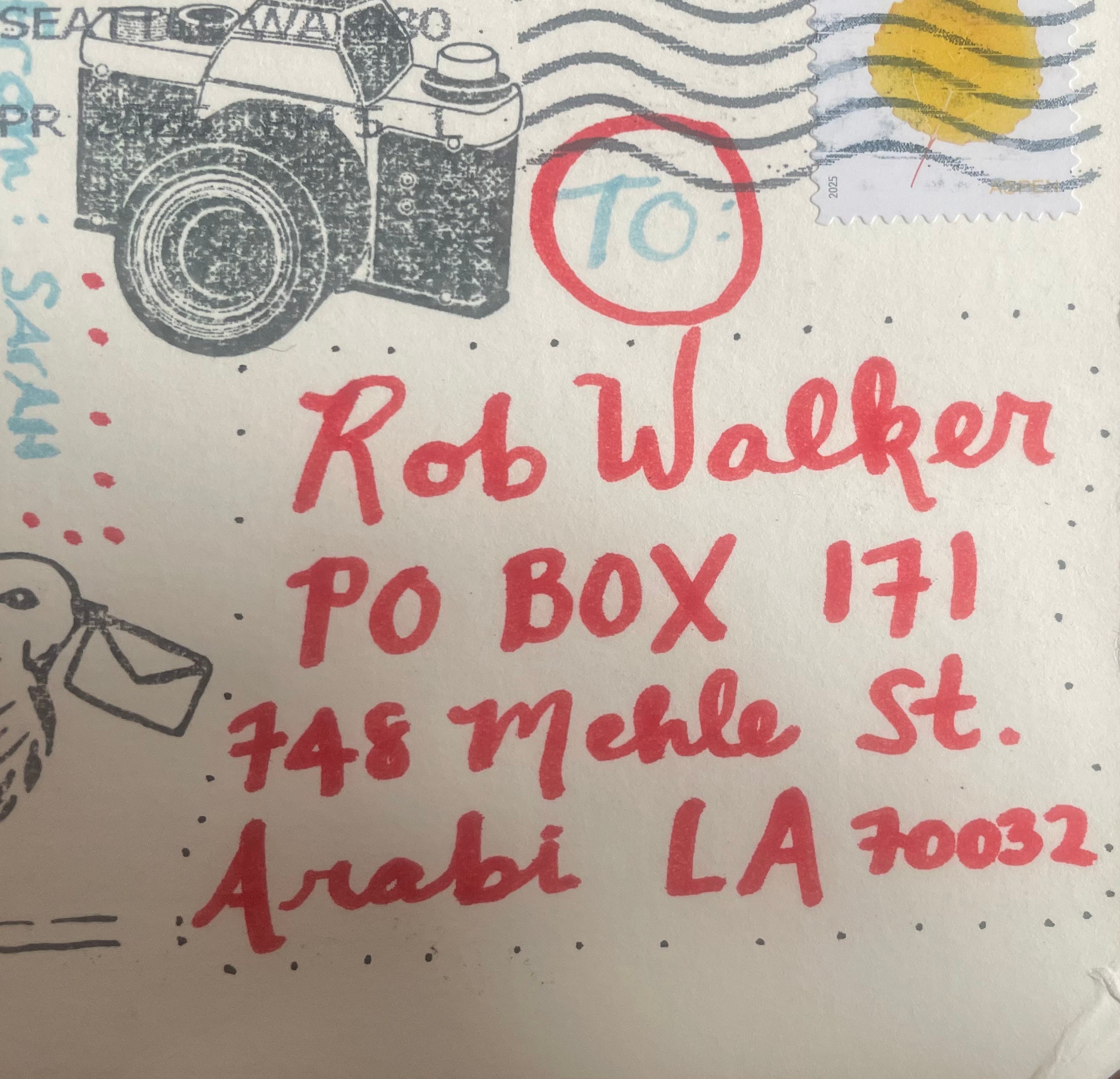
—> Send me mail! I’ll give a three-month free trial to the Supporter version of TAoN to any current free subscriber who snail-mails me a request (include your email address).
To unsubscribe see the bottom of the email, or go here.

There is a door in my office building with NO handle, just a plate where the handle would normally be. The entrance door is further down the hall. They have a sign on the door saying, "THIS IS NOT A DOOR".
For the icebreaker: Green Onions, Booker T & the M.G.s! Mustang Sally and anything else by Wilson Pickett. Everything Marvin Gaye ever recorded (and a fellow Washingtonian).